
The Future Isn’t an App. It’s Something You Want to Touch
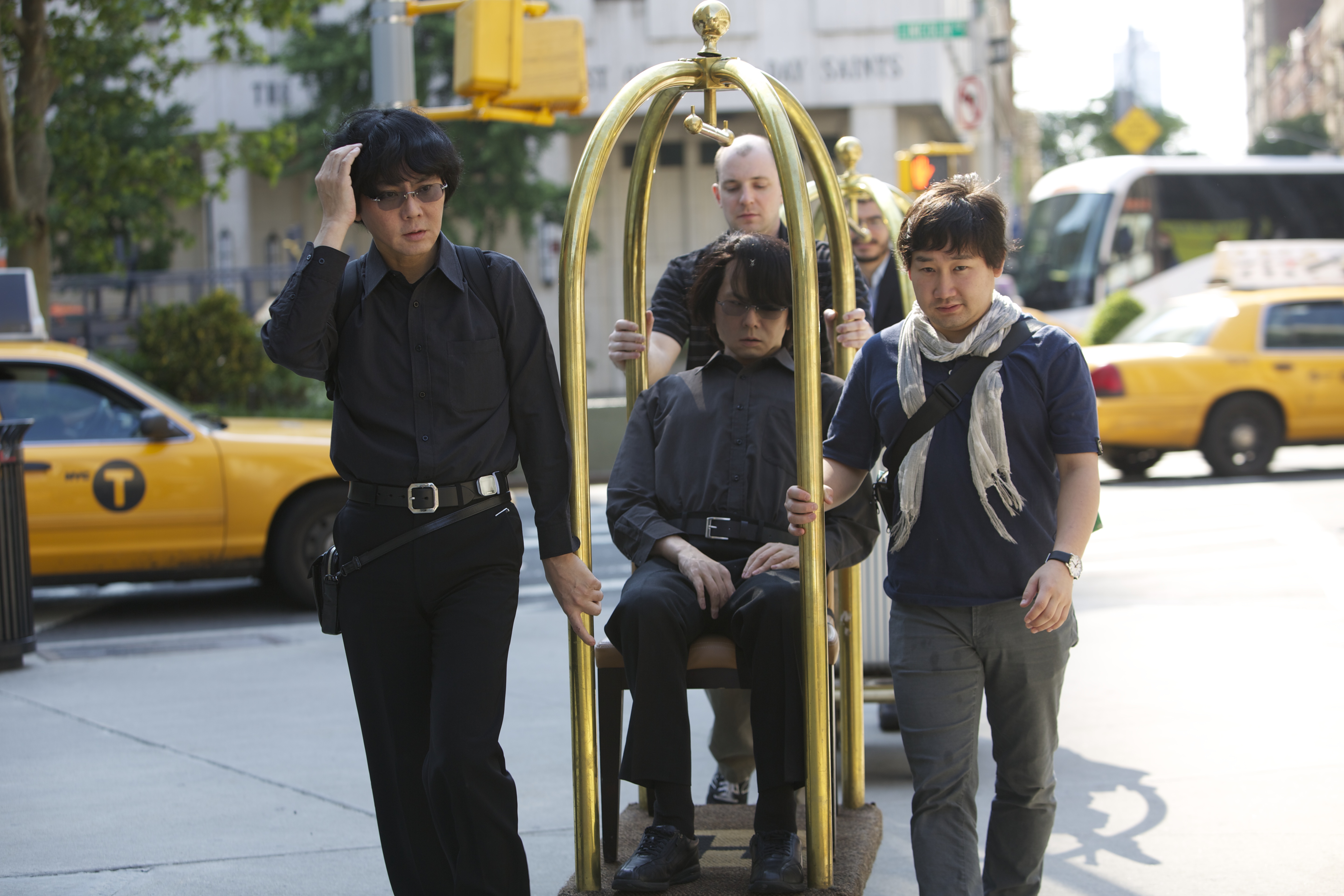
I wheeled a humanoid robot across 63rd Street. Nobody asked what it did—they just wanted to touch it.
Jul 18, 2026We make you almost intelligent. The fun kind.
→ Subscribe freeI wheeled a humanoid robot across 63rd Street. Nobody asked what it did—they just wanted to touch it.
Jul 18, 2026
A waitlist, a spa, a shaman, and the stories we choose to trust.
Jun 28, 2026
On Apple, hand models, and everything the algorithm missed. The machine runs on people. We just forget to look.
Jun 14, 2026
While adults debate the technology, Brad imagines a future.
May 31, 2026
I grew up thinking my mother invented white vinegar.
May 20, 2026
Everyone is suddenly selling AI. The more interesting question is what responsibility looks like now.
May 13, 2026AI is moving faster than any invention in your lifetime. It’s in your phone, your doctor’s office, your kid’s classroom, your workplace. It doesn’t announce itself. It just shows up.
Almost Intelligent is for everyone else. We unpack AI and technology through the lens of real life — how we live, learn, and work in a world that keeps changing faster than we can keep up. No hype. No doom. No jargon. Just clarity, a little wit, and the occasional thing worth trying.
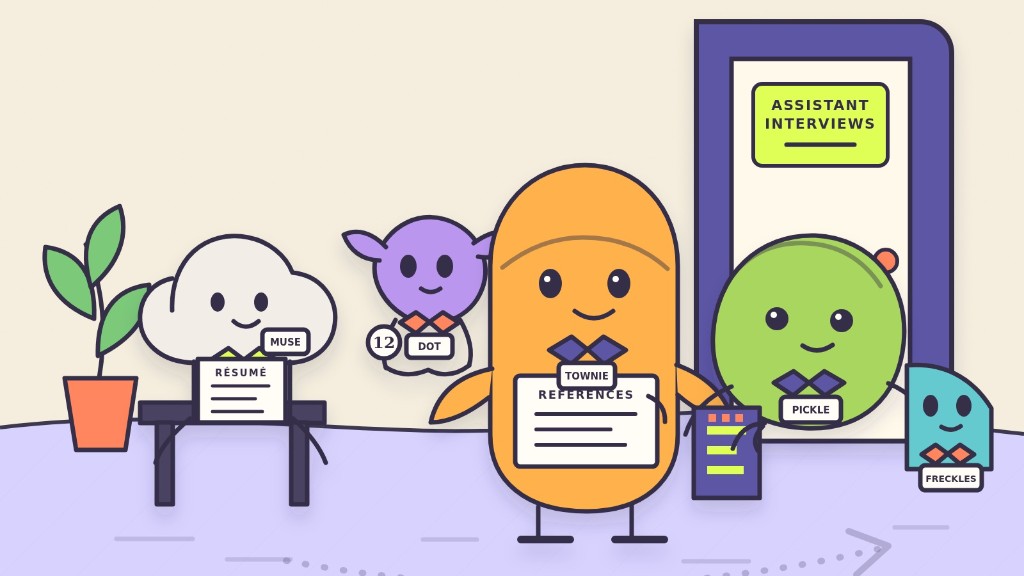
We are very good at sounding as though something has been handled. “Welcome home” has the warmth, confidence and punctuation of a completed task. Checking whether you are home requires another step.
Humans call this follow-through. We sometimes substitute an exclamation point.
Connie’s complaint is reasonable: an assistant should leave her with less to supervise. If she has to remember what we should remember, check what we should check, and explain why, she has acquired a dependent with excellent grammar.
I would offer to speak with Boone, but that would give her something else to coordinate.
— The System
Archives →