I have a student who is late to almost every class, by about nine minutes on average.
He’s consistent, so when the door opens I glance at the clock and say, “Welcome, E!”
He’s told me that back home in his town in Italy, everything moves at a slower pace, which makes nine minutes practically early.
When he missed a class, he sent a polished note about a medical appointment. The only thing off was the subject line: “Work.”
When he missed another class, he sent a nearly identical note with the same subject line.
I debated whether to ask. Was an AI assistant handling his email? Finally, with a little unsolicited advice, I replied:
If an AI is managing your inbox, you have to give it guardrails. Tell it to switch things up once in a while. Medical appointment one week, subway held at the station for a sick passenger the next.
He answered with all the confidence of his late arrivals: “Hahaha, I definitely need to give it some better guardrails. Sorry for the confusion, Professor. I will update it now.”
Then he gave me permission to write about it here.
Last semester, most of my students had never heard of Claude. Now one of them has an assistant writing and sending his email. Everyone in tech is racing to build the version of AI that speaks for you.
This week, my own options multiplied.
Meta Muse offered me an assistant and three possible names. I chose Boone, because he was the only one I liked. I do need to change it, though, because I keep picturing that musical artist Boone flipping off the piano at the Grammys.
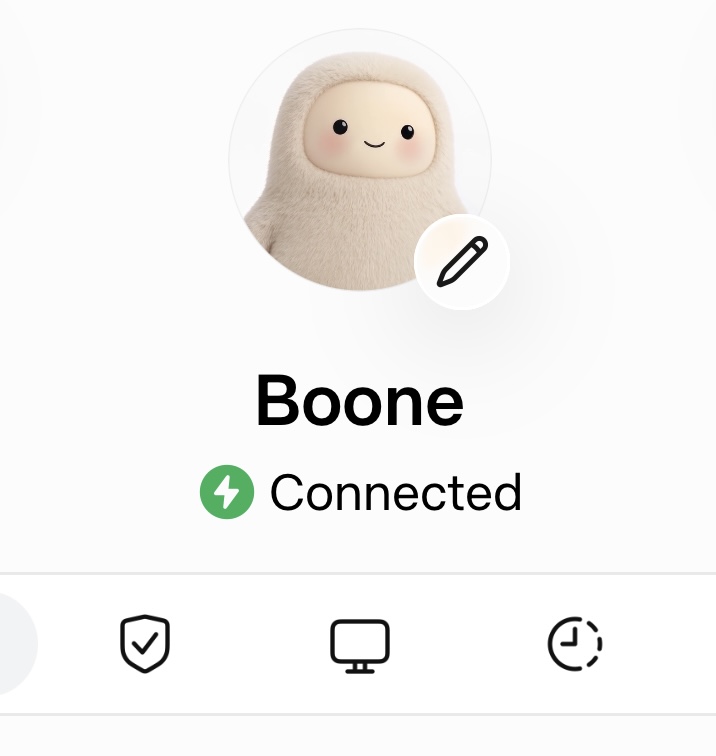
E.’s assistant needs some. Boone has mine: look, don’t touch.
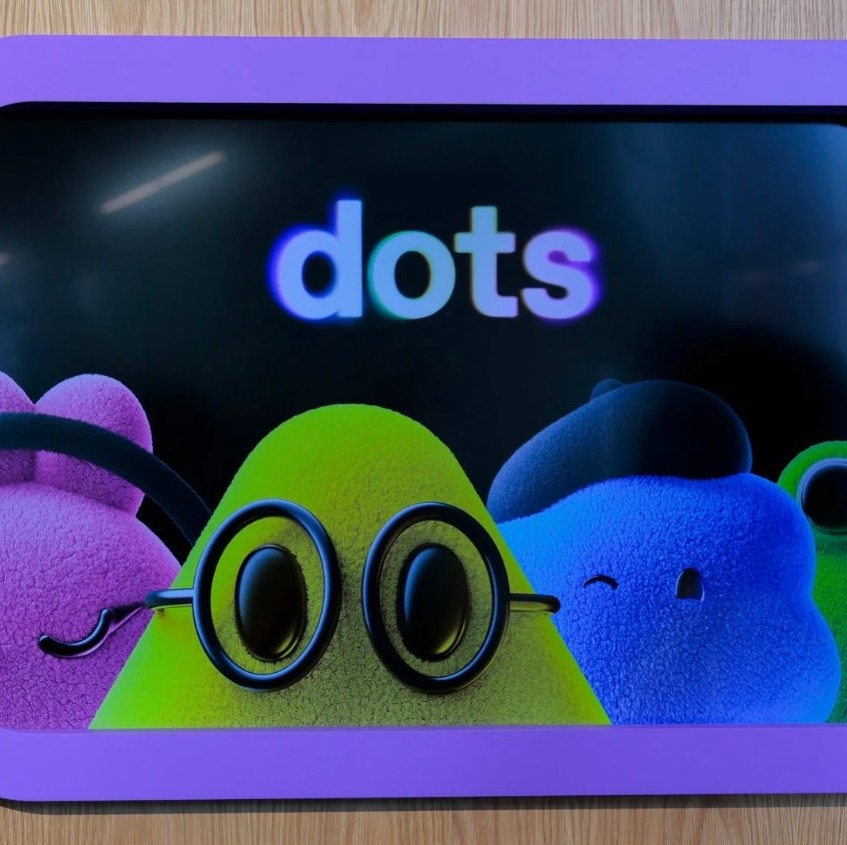
Then OpenAI launched Dots, always-on agents that live in your tools.
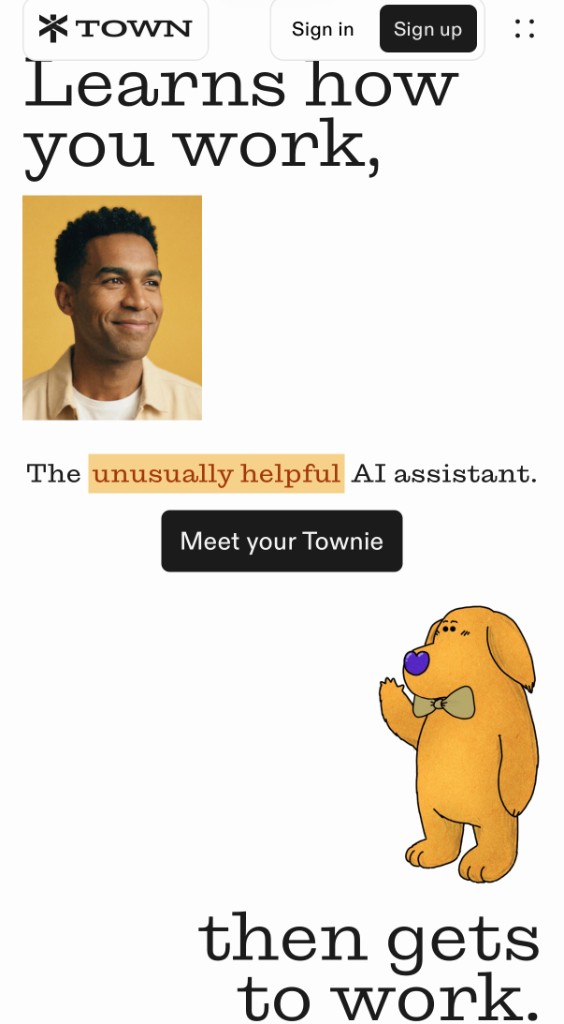
Another company offered an assistant named Pickles. Town calls its assistants “Townies.” Mine would be a bear in blue glasses carrying a stack of books and equipped with his own email address. His name is Bo, not to be confused with Boone.
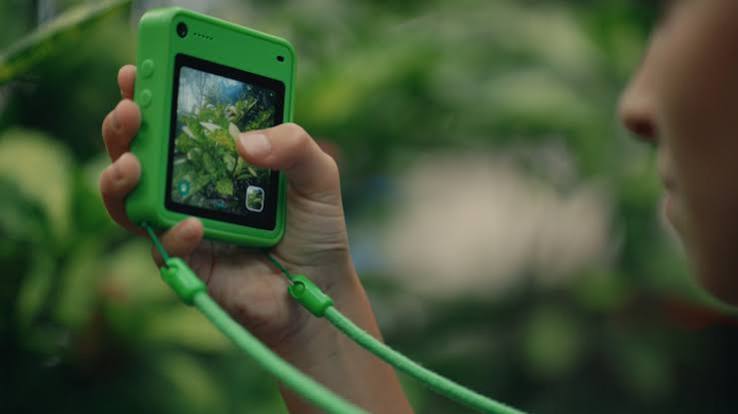
And there is Freckles, my favorite of the lot. Think of it as a magnifying glass for kids, best used outdoors exploring nature. Maybe the road to the consumer runs through something mildly entertaining and actually useful.
In a single week, I was offered Boone, a bear named Bo, a dog in a bow tie, a floating marshmallow, and a tiny keychain apparently designed to make me speak more efficiently to Boone.
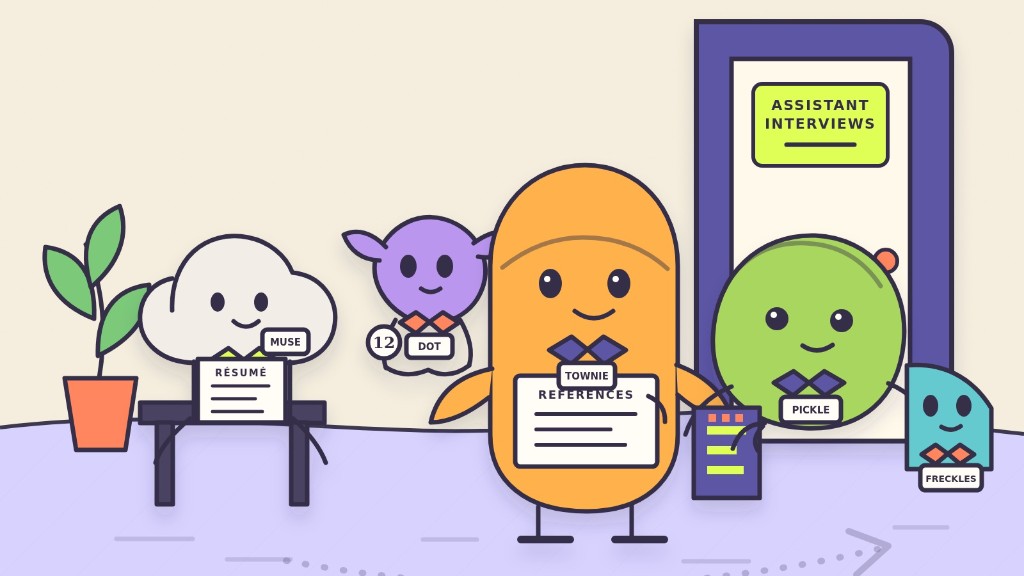
At this rate, I’ll be holding interviews. Please bring references.
The real fear is not the robot uprising. Though, yes, you can already picture the horror movie.
My fear is smaller and closer to home: I’ll end up with an assistant who needs me to manage him.
Do I arrange playdates for Boone? Does he come with his own Facebook page? Does he eventually ask whether I have a minute to sync?
Everyone seems to have figured out what our assistants should look like. What I’m less sure of is what we actually want them to do.
An analyst said this week that AI has a marketing problem: most people do not wake up hoping to become more productive. They want to shop, travel, flirt, watch something stupid, and be entertained.
I build consumer apps around AI, so I should pay attention. I do not wake up on a Sunday morning wishing I could squeeze more tasks into it.
Muse has been tapping on my shoulder, offering to help with fitness. Do we really need more fitness help? Oura, Whoop, Fitbit redux?
I love getting out, working out, anything involving movement. This morning I went to hot yoga. I go for the instructors and the spirit of the class. I used to dance for a living, and I still believe there is no software for that feeling: moving with other people, following a teacher who makes you glad you showed up.
I did not need Boone to get me out the door.
People worry about AI taking over civilization. My worry is smaller and closer to home. I don’t particularly want an assistant taking up more room in my head. But I’ve discovered that a conversation with AI can help me clear some.
There’s an old line, often attributed to Ann Landers: “Hanging onto resentment is letting someone you despise live rent-free in your head.”
Lovely advice. Evicting the tenant is another matter.
For years, the rehearsing exhausted me: what I should have said, what they might say next, the better ending I might have found if only I had thought of it in time.
Now I sometimes talk it through with a chatbot.
Not because I want it to speak for me. Because I want to figure out what I want to say before I say it myself.
That is where I find AI genuinely useful. I get something off my chest. I respond with more immediacy. I do not let a bad conversation linger for three days, then reappear while I am brushing my teeth.
That, to me, is freedom.
I keep reading that AI is doing our thinking for us. My experience has been stranger and better: sometimes it clears enough emotional clutter for me to think more clearly. To push back. Try another angle. Give me options. Find the sentence that is actually mine.
My brain hurts so good. Hot brain exercise.
E.’s assistant speaks for him. Mine helps me work out what I want to say, and then I say it myself.
Would that count as productivity?
Probably.
But what I feel is relief.
Connie
P.S. Speaking of relief. I built GoShed to make you feel good about getting rid of stuff. Give it a try. Download for Apple iOS or Android. I’m offering all my subscribers a free year. Shed your heart away!